FSC and BPI show up on packaging claims constantly, and buyers often assume they mean roughly the same thing — “this product is environmentally responsible.” They don’t overlap nearly as much as that assumption suggests. Each certification tests a completely different property of a product, and neither one substitutes for the other.
What FSC Certifies

FSC (Forest Stewardship Council) certification is about sourcing, not disposal. It verifies that the wood fiber in a paper or kraft product can be traced back through the supply chain to a responsibly managed forest. FSC Chain of Custody certification specifically tracks that traceability from forest to finished product, covering every point the material passes through along the way.
Because FSC is a sourcing standard, it only applies to wood-fiber materials — paper, kraft board, cardboard. It says nothing about whether a product will compost, and it isn’t relevant to plastics, PLA, or bagasse, since none of those come from forest fiber.
What BPI Certifies
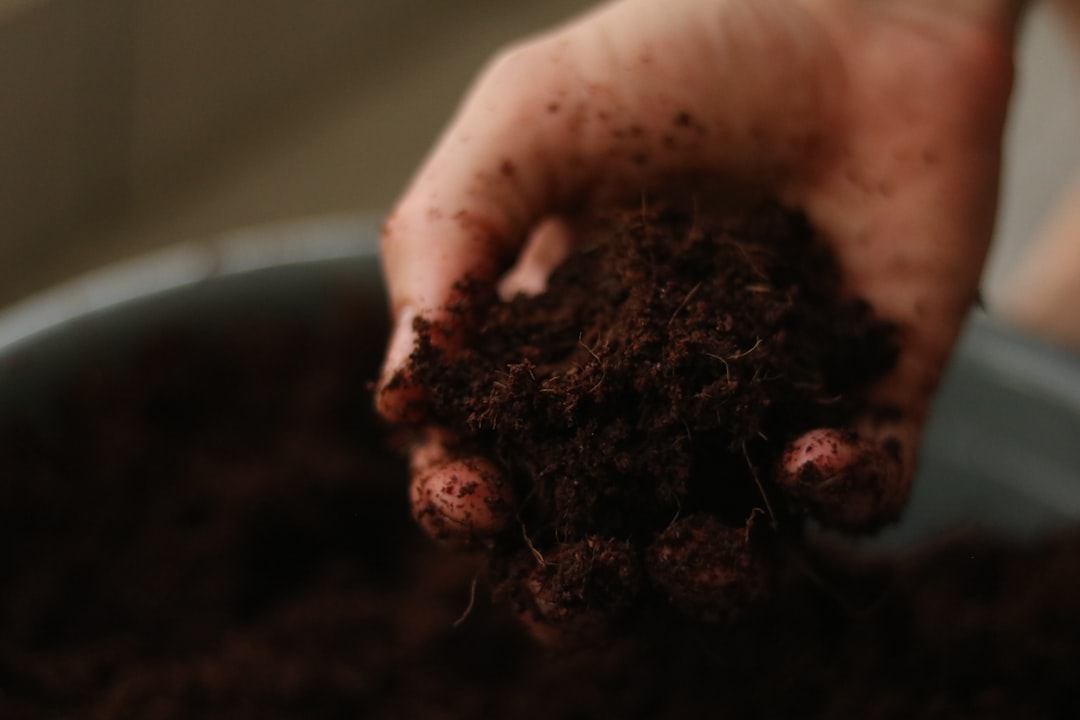
BPI (Biodegradable Products Institute) certification works from the opposite direction: it says nothing about where the material came from, and everything about what happens after disposal. BPI-certified products have been tested against ASTM D6400 (for plastics and plant-based materials like PLA) or ASTM D6868 (for coated paper and fiber products), confirming they’ll break down in a managed industrial composting facility within a defined timeframe, without leaving toxic residue.
A detail worth flagging for buyers: BPI certification applies to industrial composting specifically. Most BPI-certified products won’t break down in a home compost bin, and a product needs to be certified for its finished, assembled form — not just the raw material it’s made from.
Side-by-Side
| FSC | BPI | |
|---|---|---|
| What it verifies | Responsible forest sourcing | Industrial compostability |
| Applies to | Wood-fiber materials only (paper, kraft, cardboard) | Plastics, PLA, bagasse, coated paper |
| Underlying standard | FSC Chain of Custody | ASTM D6400 / D6868 |
| Says nothing about | Compostability | Where the raw material came from |
Why the Distinction Matters for Buyers
A supplier claiming both FSC and BPI certification on the same product is either describing two separate components (a kraft box with an FSC claim, paired with a BPI-certified PLA window) or making a claim that doesn’t hold up — FSC doesn’t apply to non-wood materials, full stop. Reviewing certificates as if the two labels were interchangeable is one of the more common ways buyers end up with sustainability claims they can’t actually defend to their own customers or regulators.
Verification is straightforward for both: FSC certificates can be checked against the issuing body’s public registry, and BPI maintains a searchable product database where certified items are listed by manufacturer and license number. Our guide to verifying a supplier’s certifications are real walks through exactly how to run that check, including the common red flags to watch for.
Corncomp’s product line reflects this distinction deliberately — FSC claims appear only on genuine paper, kraft, and cardboard products, while PLA and bagasse items carry BPI Compostable certification instead. Certificate numbers and verification links for both are on our Certifications page. For a broader look at how these materials compare in practice, see our guide to PLA vs bagasse vs FSC paper. Both labels matter more than ever as packaging rules tighten — see how they factor into the EU Single-Use Plastics Directive and US state plastic packaging laws.